

Government is establishing a US$500 million El Niño protection fund to strengthen Zimbabwe’s preparedness for a potentially severe drought during the 2026/27 agricultural season.
The fund will comprise US$250 million in cash and US$250 million worth of grain reserves, providing a financial and food-security buffer to mitigate the anticipated effects of adverse weather conditions.
The initiative will prioritise the procurement of maize and other grains from local farmers, a strategy aimed at strengthening the country’s strategic grain reserves while supporting domestic agricultural production and economic activity.
Permanent Secretary in the Ministry of Finance, Mr George Guvamatanga, announced the measures during an online media briefing held on the sidelines of the 2026 International Monetary Fund and World Bank Annual Meetings in Bangkok, Thailand.
Mr Guvamatanga said Government had already begun purchasing grain and had accumulated more than 200 000 metric tonnes of maize in its strategic grain reserves.
He indicated that continued procurement from local farmers could enable the country to replenish its reserves without resorting to maize imports, depending on the volumes available domestically.
The protection fund will include maize, small grains and wheat acquired from local producers. Government expects to have mobilised the equivalent of US$500 million in cash and grain reserves by the end of the year.
The cash component will provide readily available resources to finance emergency interventions, while the grain reserves will help safeguard national food supplies in the event of a significant decline in agricultural output.
Finance Minister Professor Mthuli Ncube said the US$250 million cash allocation would give Government the capacity to respond to emerging requirements from January 2027, complementing additional resources to be provided through the 2027 National Budget.
Further funding is expected to be incorporated into the 2027 fiscal framework to support interventions addressing the potential effects of the El Niño weather phenomenon.
El Niño is a naturally occurring climate phenomenon characterised by the warming of surface waters in the central and eastern tropical Pacific Ocean. It typically occurs every two to seven years and can influence rainfall patterns and temperatures across different parts of the world.
The current forecasts have raised concerns about the possibility of a particularly intense El Niño event, increasing the need for early preparedness and coordinated responses to potential drought conditions.
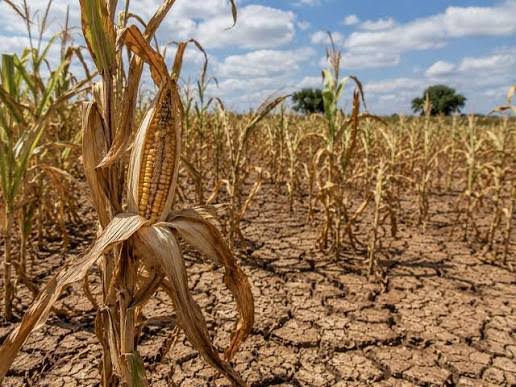
Zimbabwe is preparing for a potentially challenging 2026/27 rainy season, with climate projections indicating below-normal rainfall, recurrent dry spells and warmer-than-normal temperatures across much of the country.
The National Climate Outlook for October 2026 to March 2027 was developed following the regional climate outlook issued at the 33rd Southern African Regional Climate Outlook Forum, held in Swakopmund, Namibia, from August 25 to 28.
Forecasts indicate that rainfall conditions could remain relatively dry during the January-to-March 2027 period, particularly in the northern and eastern parts of Zimbabwe. The anticipated conditions could increase the risk of crop failure, reduce agricultural output and place additional pressure on household food supplies.
In response, Government is pursuing complementary measures to mitigate the potential effects of drought on agricultural production and national food security.
These interventions include providing crop-specific technical guidance, improving water management and supporting farmers engaged in both irrigated and rain-fed agriculture.
The combination of financial reserves, strategic grain stocks and agricultural support measures is intended to strengthen the country’s capacity to respond to the anticipated climate risks and minimise disruptions to food production and availability during the 2026/27 agricultural season.