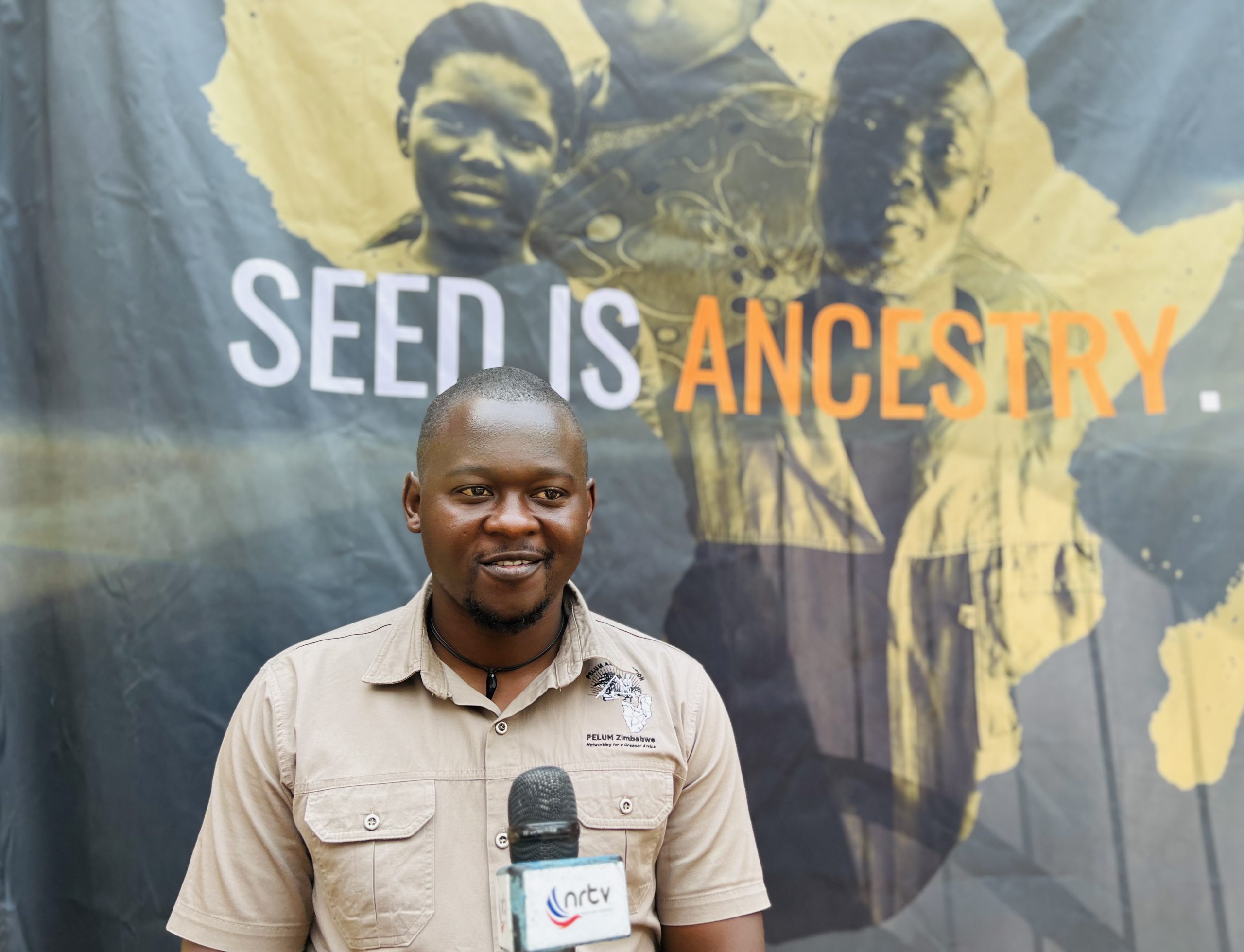


HARARE — Farmer seed rights are under threat in Zambia and Zimbabwe, where two new proposed laws on plant breeders' rights would criminalise traditional seed-saving practices and undermine the diversity that enables climate adaptation, the Seed and Knowledge Initiative (SKI) has warned.
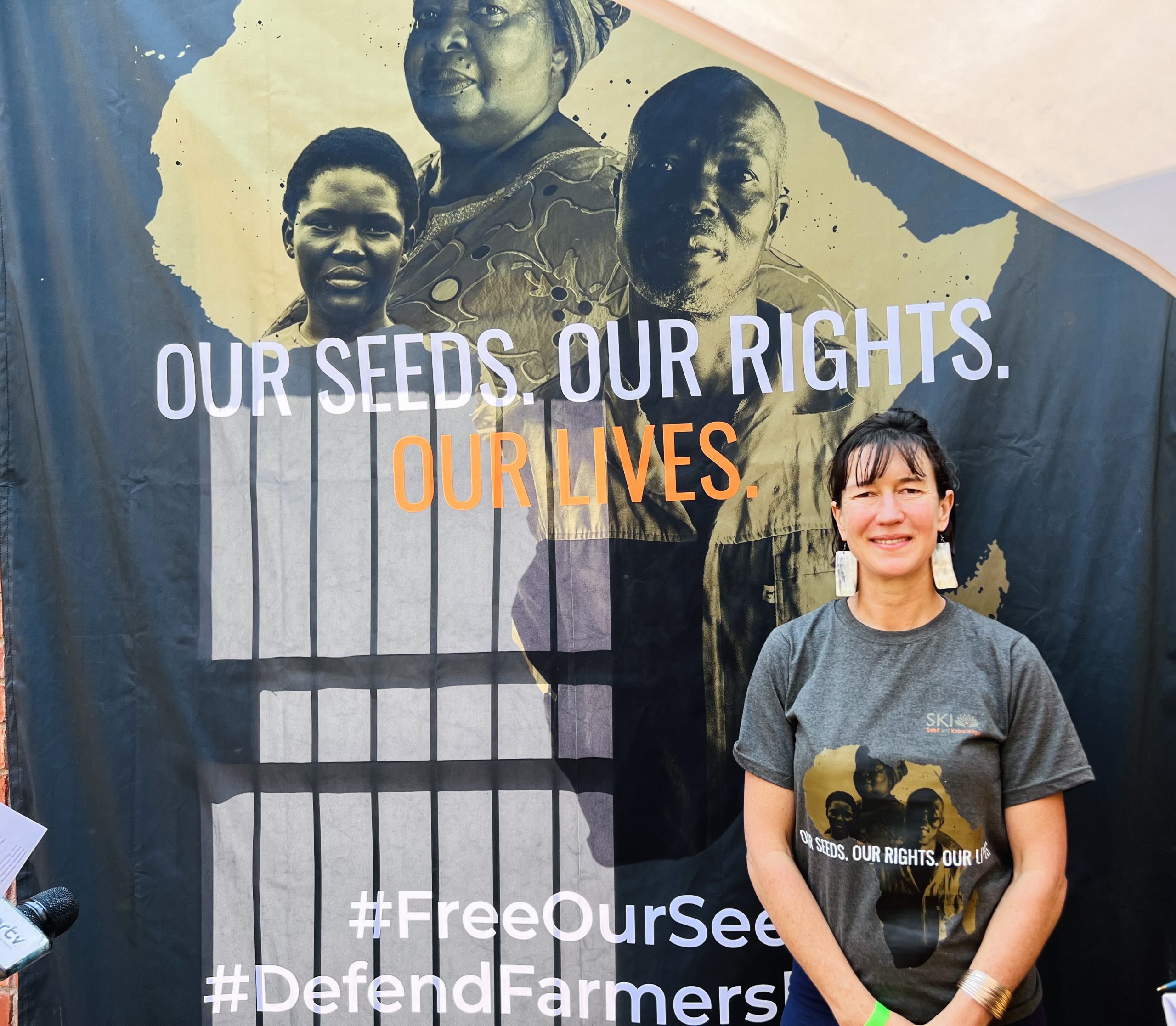
Speaking at the National Good Seed and Food Festival in Harare, SKI Advocacy Coordinator Frances Davies said the proposed laws would align national standards to the International Union for the Protection of New Plant Varieties (UPOV) 1991 Act.
"These standards, if we align our national standards to these international standards, criminalise farmers' traditional seed-saving practices of saving, reusing, sharing and selling seed," Davies said.
"These rights, farmers' rights, which are these practices, will be outlawed. And yet these are the very practices that underpin this incredible diversity that we have today, and that enable us to adapt to climate change."
Diversity enables resilience
Davies said the SKI is a unique partnership of organisations, farmers, researchers, universities, and progressive funders working across Southern Africa — primarily in South Africa, Zambia, Zimbabwe, and Malawi — to revive and restore farmer-led seed systems.
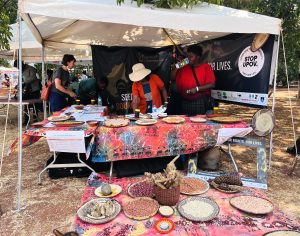
"Farmer seed systems are the very foundation of the food system and the diversity that defines our diverse food cultures that we have today," she said.
She said diverse seed is the greatest asset in fighting climate change.
"Without diversity, we cannot adapt to the very, very volatile, extreme conditions that are coming our way. We have dire warnings that there will be a Super El Niño this year," Davies said.
She noted that while there are many warnings, there is not enough infrastructure on the ground to support farmers to adapt urgently to the crisis they face, including ongoing floods and droughts.
"This is not just a once-in-a-lifetime event. This is going to happen over and over again. And seed diversity is the foundation of all of the hope that we have to revive our soils, our living agricultures, together with farmers in order to adapt to climate change," she said.
"So diversity enables resilience."
Farmers launch campaign
Davies said farmers from all four countries have launched their own campaign to defend their seed rights and are calling on governments to reject any laws that align to UPOV 91.
"This is a campaign that is in fact happening around the world, because multinational seed companies are pushing these policies onto countries in order to capture seed markets, to capture profits, to ensure that farmers are having to buy seed over and over again every year and destroy the diversity that this faces," she said.
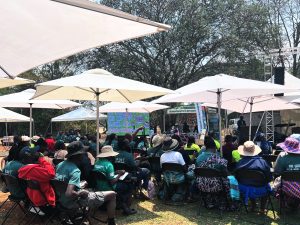
She said the event was about celebrating with farmers and defending farmers' rights.
"We are here today to say no to UPOV, and most importantly also that we need to support agroecology and spread of agroecology around the world as the way to adapt our food systems," Davies said.