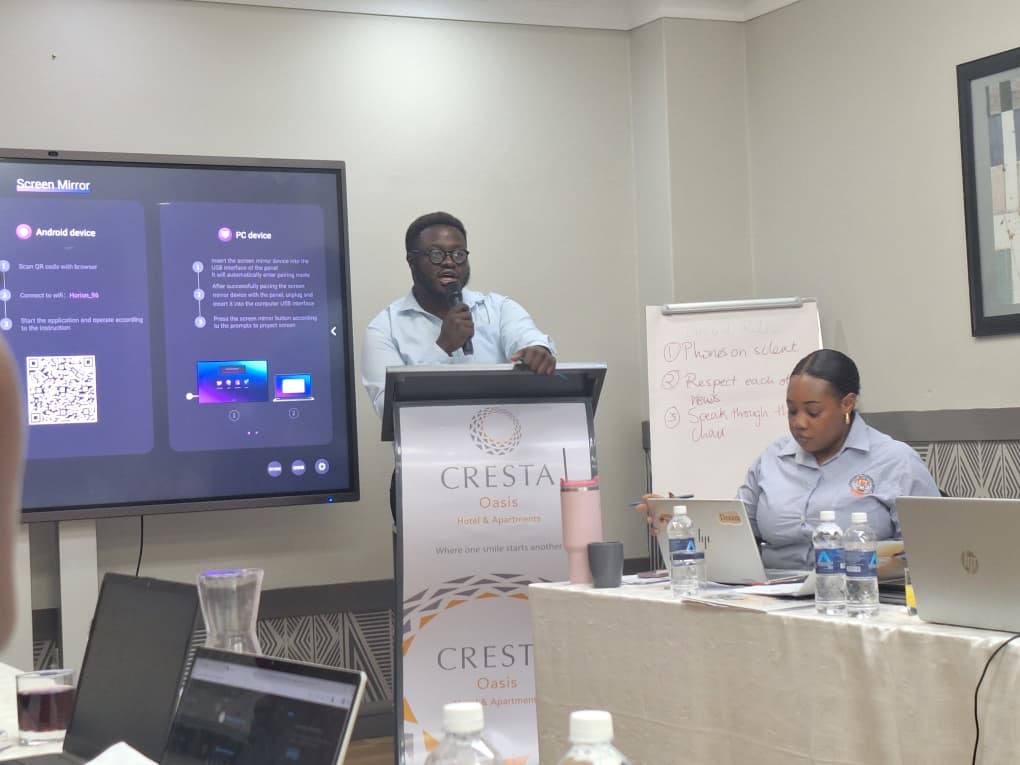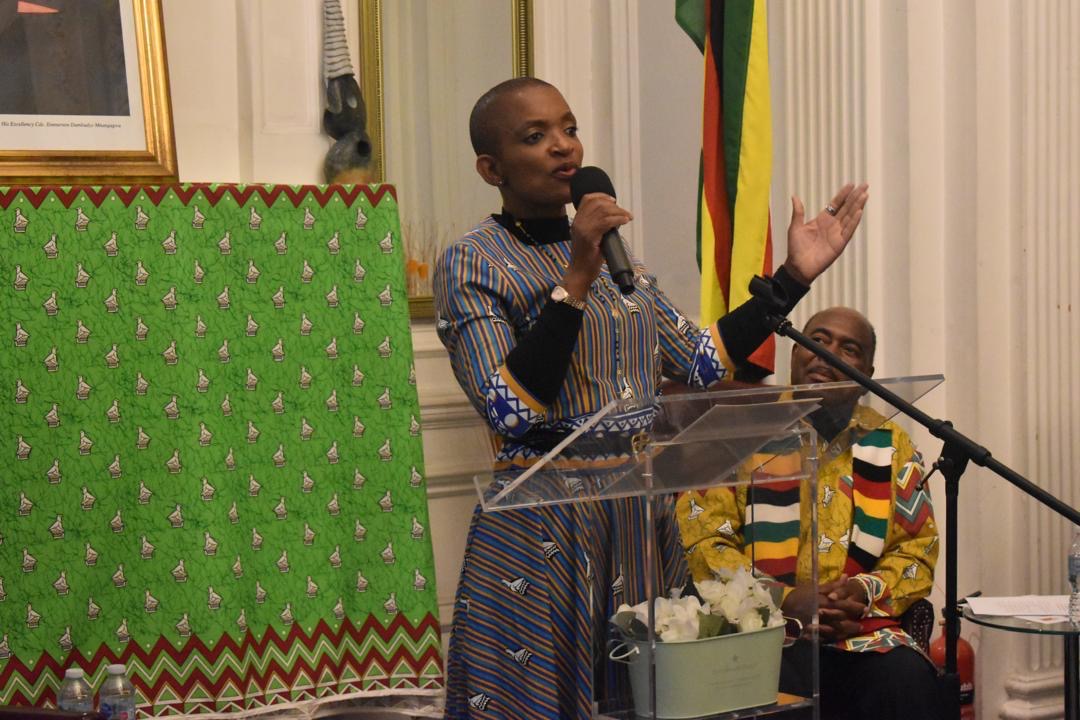


HARARE — The International Conference on Family Planning assessment mission has completed evaluating Zimbabwe's readiness to host the global conference in 2028, which could create an opportunity for the country to build confidence among development partners to continue supporting its health programmes as donor funding faces constraints.
In an interview with Zimpapers Radio News in Harare recently, ICFP assessment mission head and Gates Institute Director Phil Anglewicz expressed satisfaction, especially with Government's commitment to host and collaboration across ministries, hinting that Zimbabwe has the ability to host the conference.
Anglewicz said the collaboration witnessed among Government ministries was inspiring and impressive, adding that the proposed facility to host the global conference was fully prepared.
Bid announcement in February
International Steering Committee Secretariat Chairperson Kellie Wellborn said the announcement of the country that will win the bid will be made in February next year after agreements and assessments have been completed on all countries seeking to host the global event.
UNFPA support
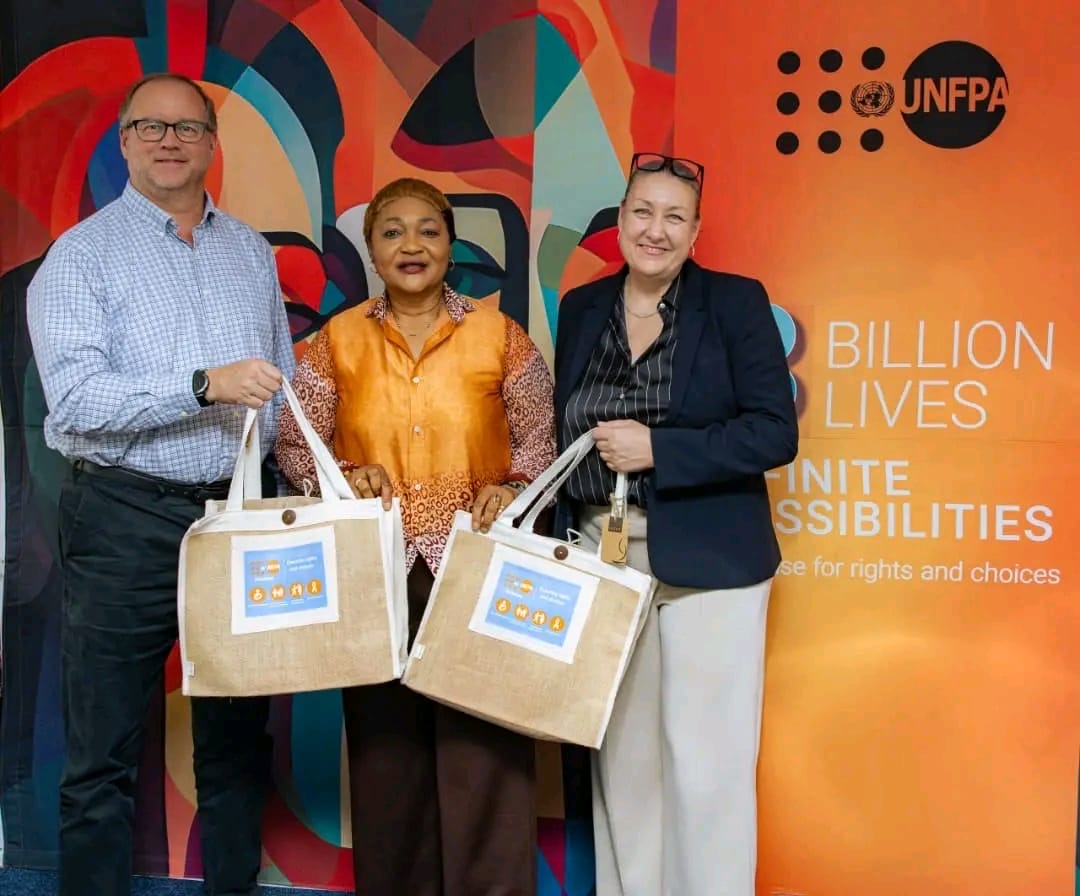
Meanwhile, one of the co-organising group members, the United Nations Population Fund country representative in Zimbabwe, Miranda Tabifor, said the institution is ready to support Zimbabwe towards its bid to host the conference.
She said UNFPA will advocate for integration of maternal health, newborn health, and family planning to increase access to health services.
Tabifor added that young people will be at the forefront of discussions as efforts continue to collectively address challenges including teenage pregnancies, child marriage, and drug and substance abuse.
Assessment criteria
The three-day assessment considered infrastructure, visa processes, and the country's ability to accommodate international delegates.
Benefits of hosting the conference for Zimbabwe include economic and tourism benefits, and the possibility to accelerate progress in addressing reproductive health challenges, particularly among adolescents and young people.
---